Who hasn’t heard of an onsen, or hot spring in Japan, and wanted to experience one? There are plenty of onsen bathhouses across Japan, but what if you could experience an entire onsen town in the most authentic way possible, like soaking naked in a hot spring alongside strangers?
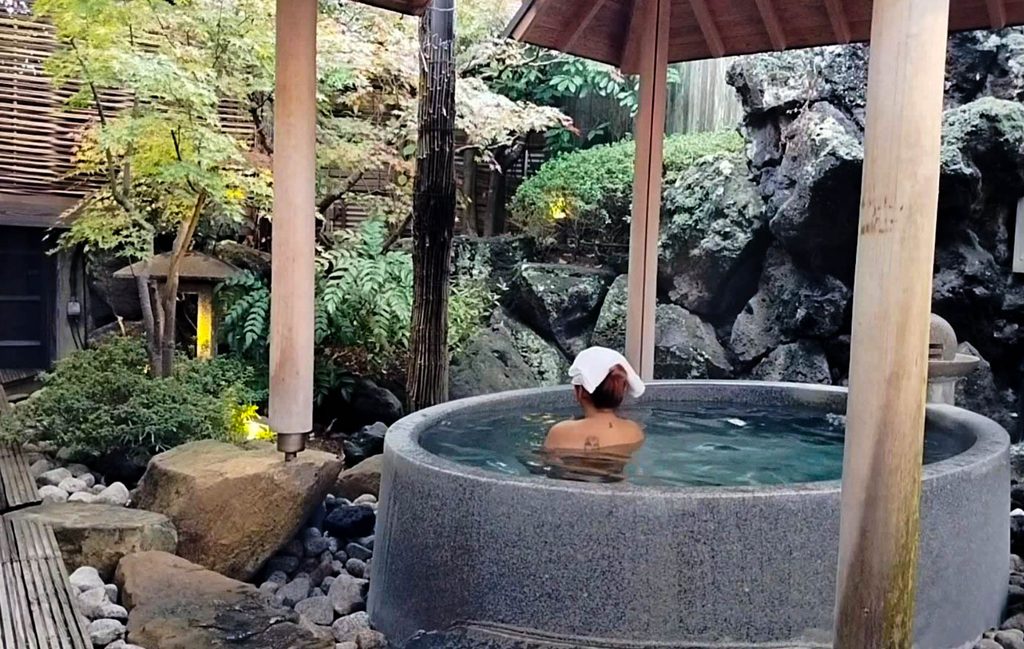
Yes, you read that right! Naked alongside strangers, but we’ll get into that later!
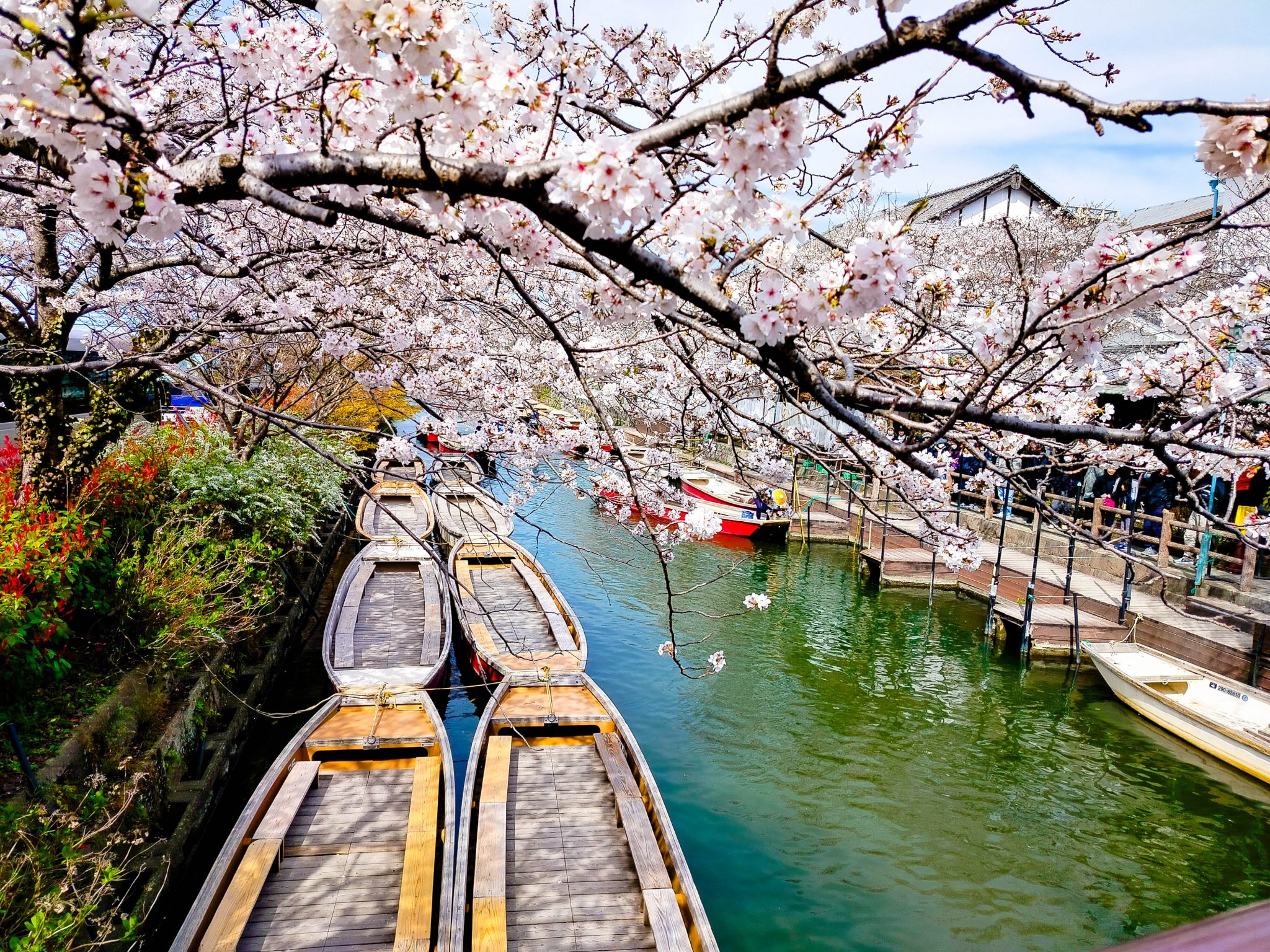
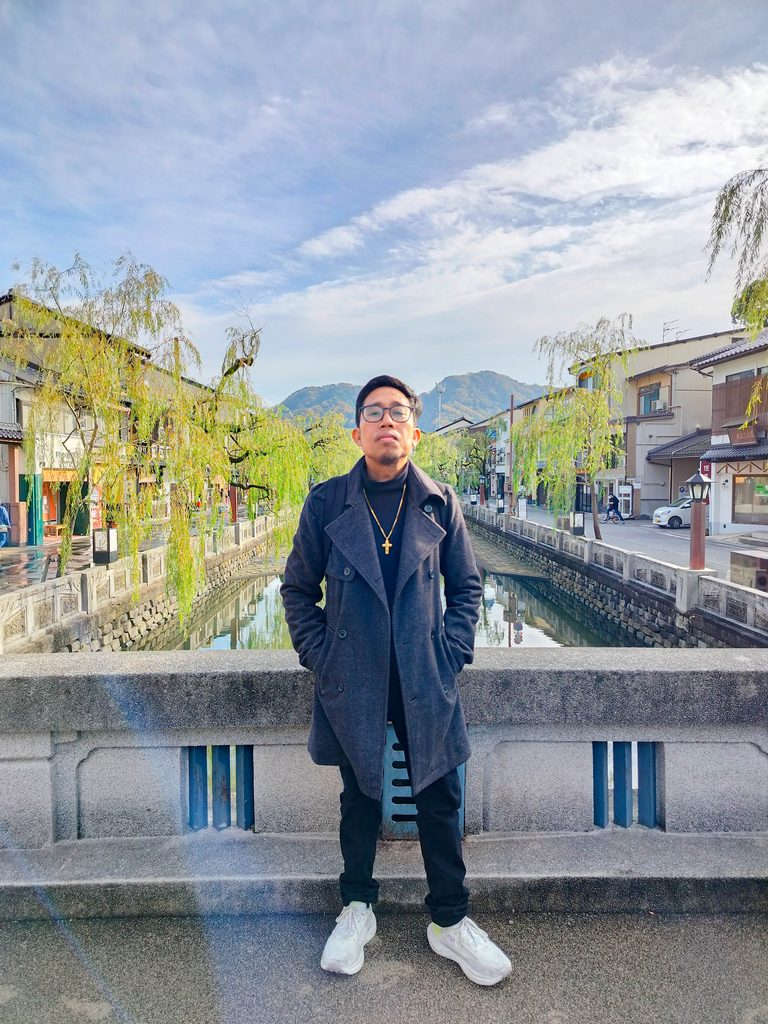
If there’s one place in Japan that feels like stepping into a different era, it’s Kinosaki Onsen. This charming hot spring town in Hyogo Prefecture is known for its traditional streets, wooden ryokans, and seven public bathhouses scattered throughout the town.
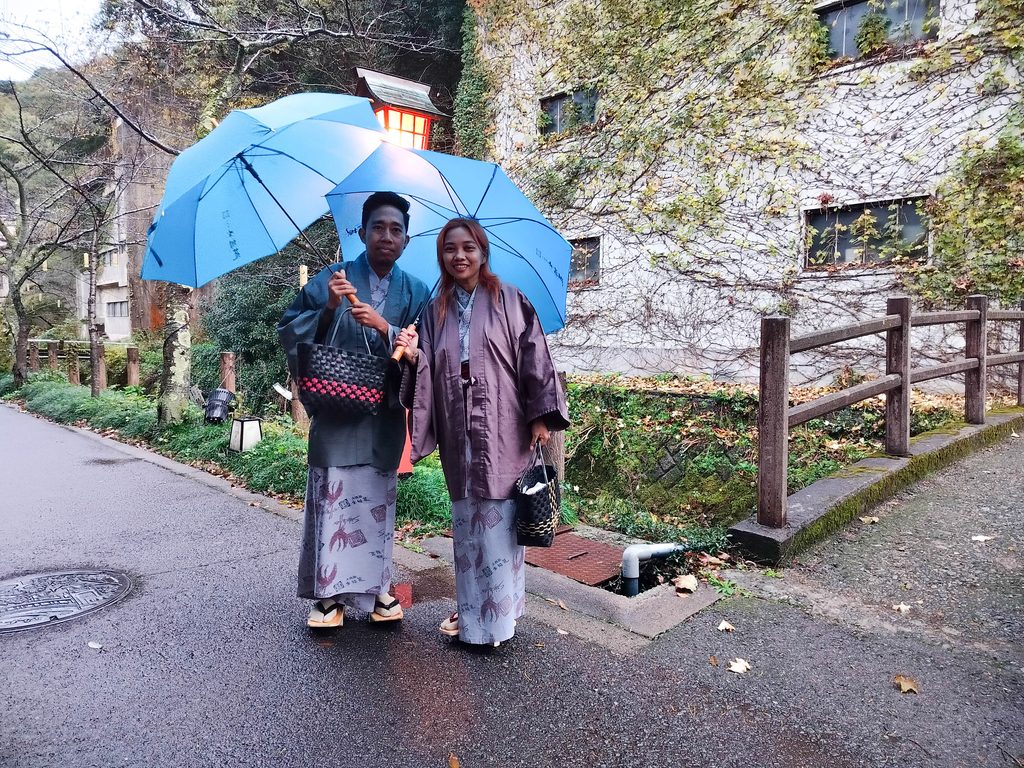
Kinosaki Onsen is a tattoo-friendly small onsen town in Japan where you can enjoy its public bathhouses without being judged (hopefully). Visitors can wear their yukata while strolling around town, hopping from one onsen to another. Throughout your visit, you’ll hear horse-like clopping sounds from the visitors walking around in their geta, or traditional wooden sandals.
How to Get to Kinosaki-Onsen?
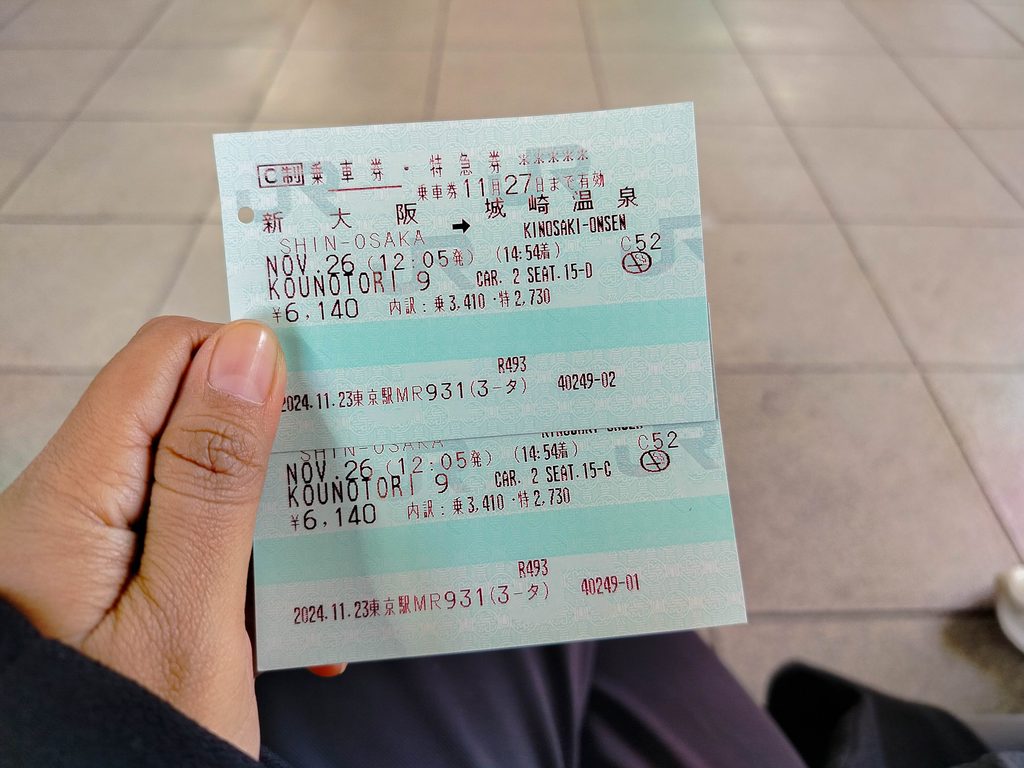
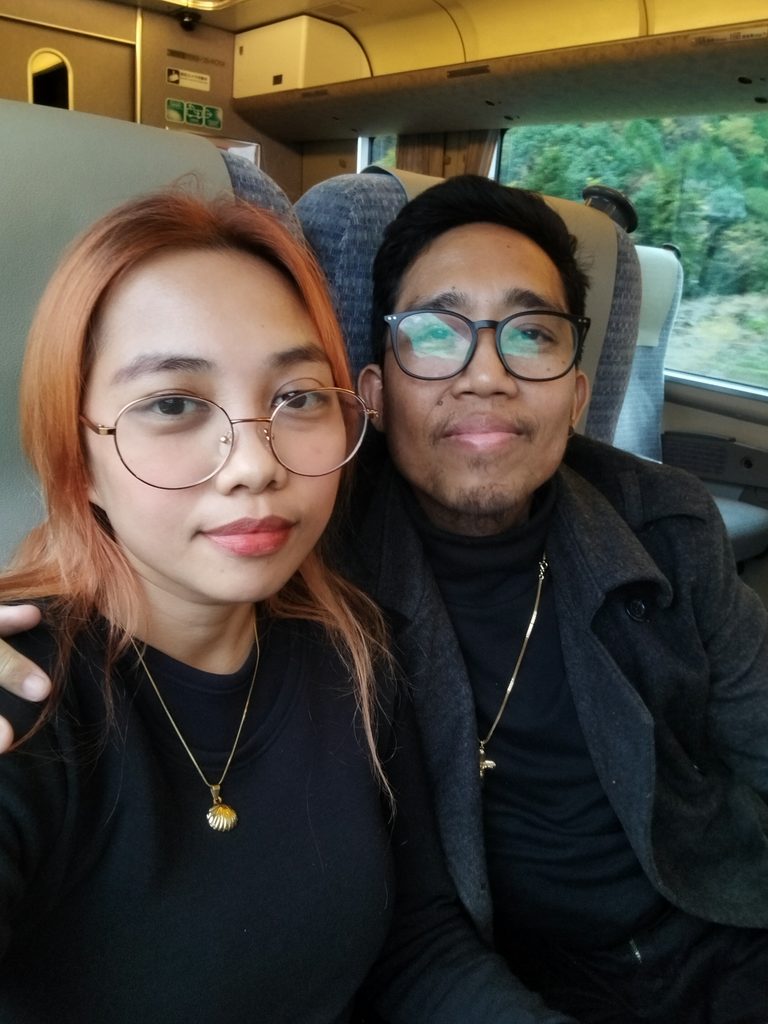
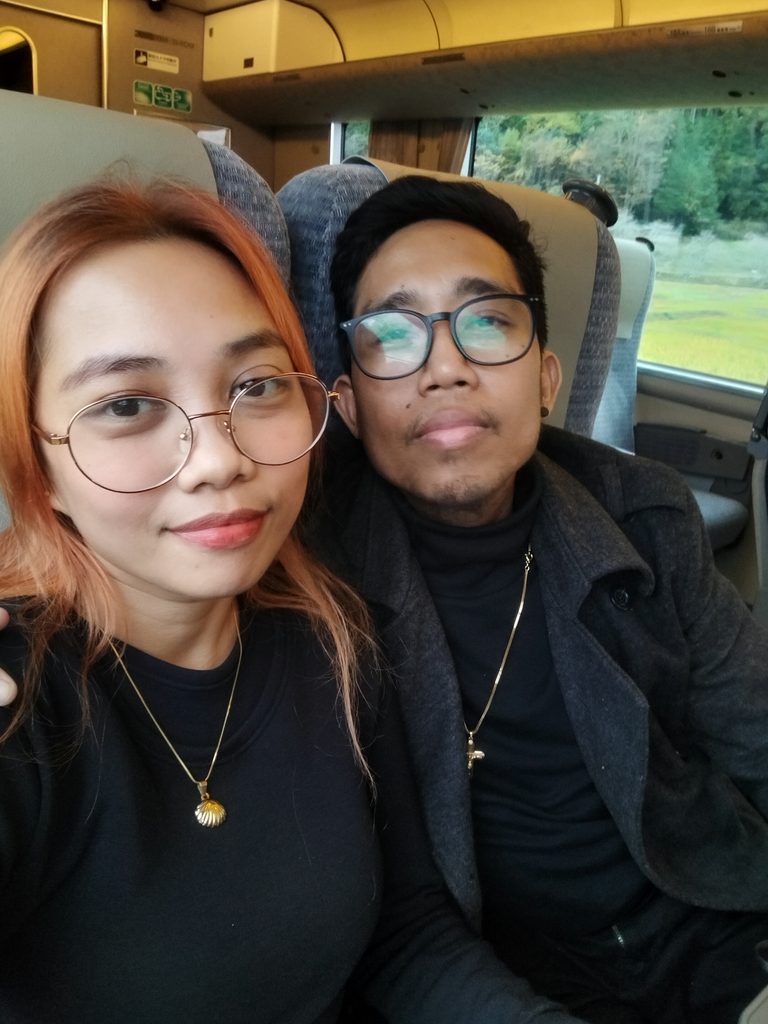
From Shin-Osaka Station, we took the JR Limited Express Kounotori directly to Kinosaki Onsen station. It is approximately 3 hours travel and will cost you 6,140 yen per way.
Where to Stay in Kinosaki Onsen?
Ryokans in Kinosaki Onsen tend to get fully booked quickly, especially during peak season, so it’s advisable to book several months in advance. However, in our case, since we only decided to visit Japan and booked our flights a month before our arrival, I wasn’t expecting to find any available ryokans. Still, that didn’t stop me from hoping for the best.
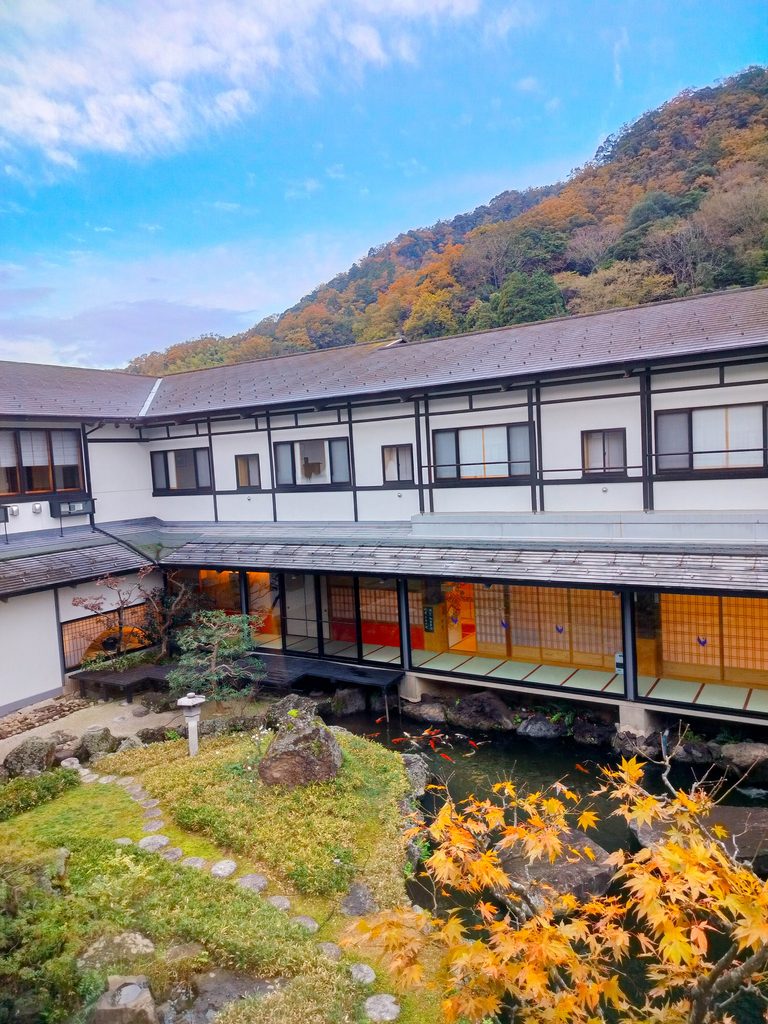
Luckily, I found an available room at Onishiya Suishoen, and I was able to book a stay there. Since we visited during peak season, the room rate was ₱22,000 per night. This included access to all seven bathhouses, a seasonal dinner featuring Matsuba crab (male snow crab) and Tajima beef, as well as a traditional Japanese breakfast.
You might think that ₱22,000 per night is pretty expensive, and yeah, it is! But actually, our stay wasn’t that expensive compared to other ryokans located along the river in the main town. Trust me, though, every penny was worth it! From the ryokan experience to the town itself, everything was absolutely magical!
There’s also a famous ryokan we wanted to try, but damn it costs around ₱100,000 per night and seems to be not worth it. But when I discovered Onishiya Suishoen, I decided that this was where I’d rather stay.
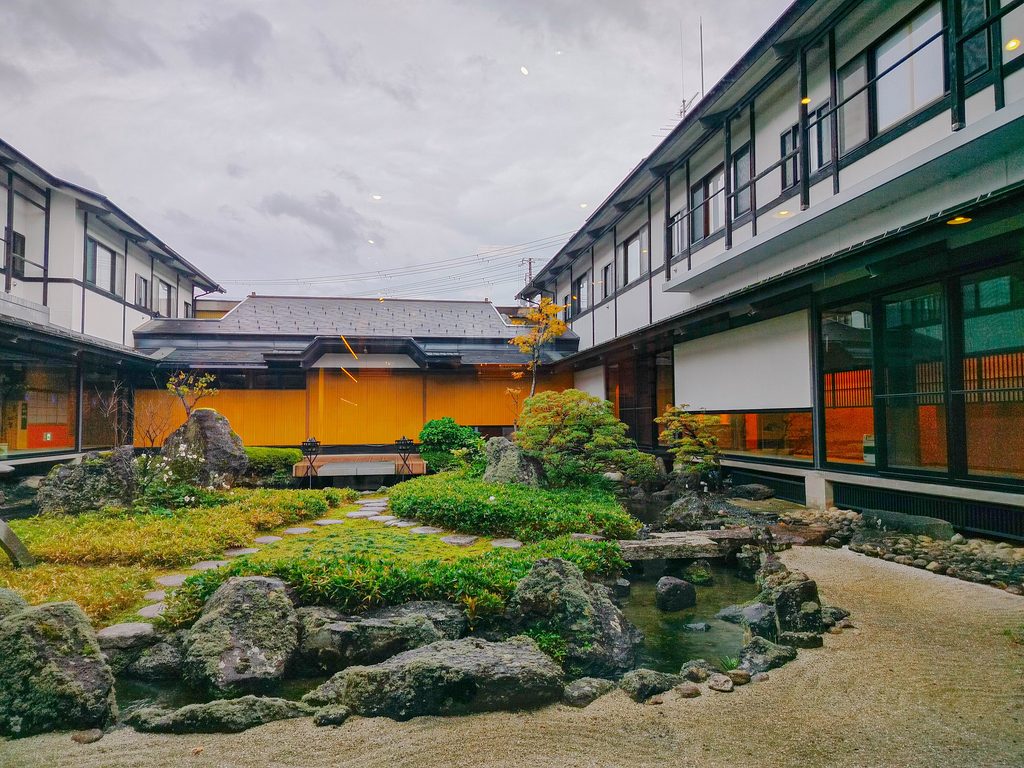
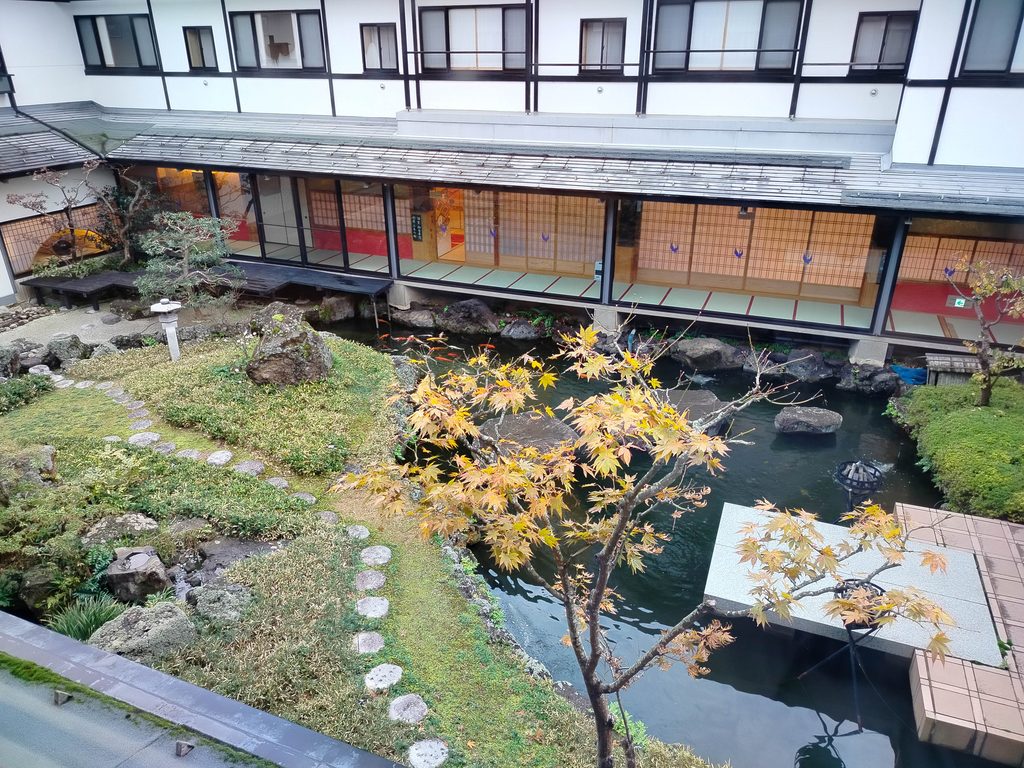
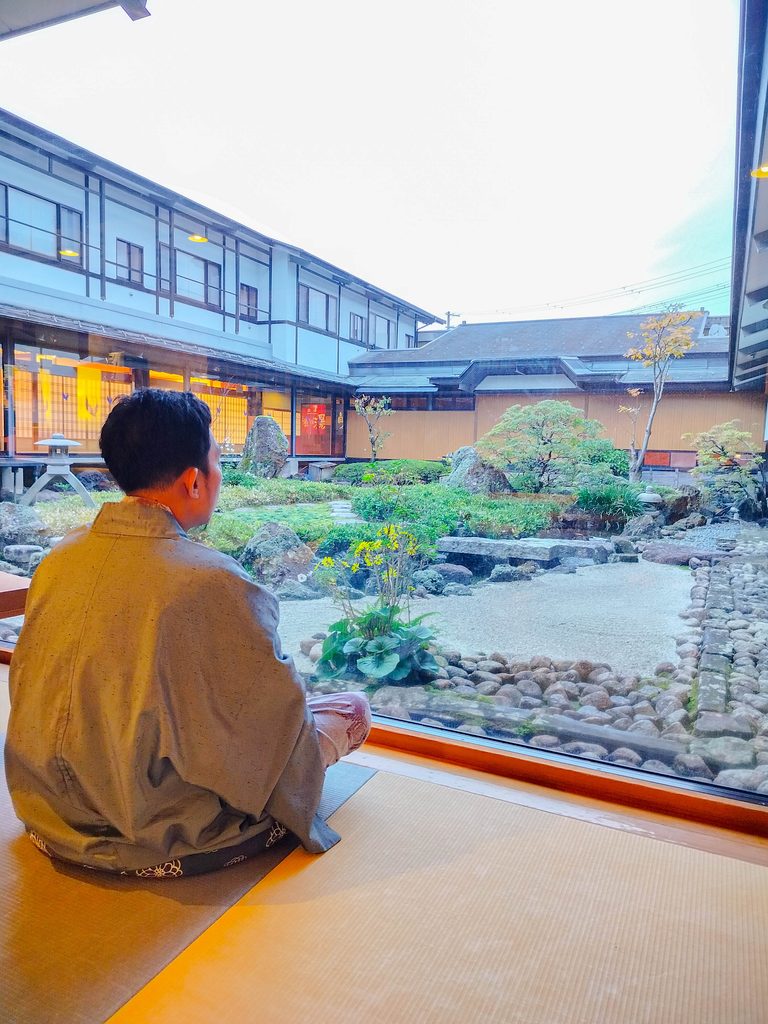
Here’s the ryokan where we stayed in different views!
What is a Ryokan?
I keep rambling about ryokans and whatnot, but I realised I haven’t really explained what they are, especially for those who aren’t familiar with them.
A ryokan is a traditional Japanese inn where you get to experience a little taste of old Japan. Think tatami-mat flooring, sliding shoji doors, and traditional futon beds laid out in the evening.
Many ryokans also offer private onsen (hot spring) baths exclusively for their guests. And if you’re lucky, your stay might include a multi-course kaiseki dinner and a traditional Japanese breakfast, sometimes served right in your room or in a communal dining area.
JUST. LIKE. WHERE. WE. ARE. STAYING. *ehem*
Anyhow, the photos below will give you an idea of what our room looks like while we’re wearing our kimonos.
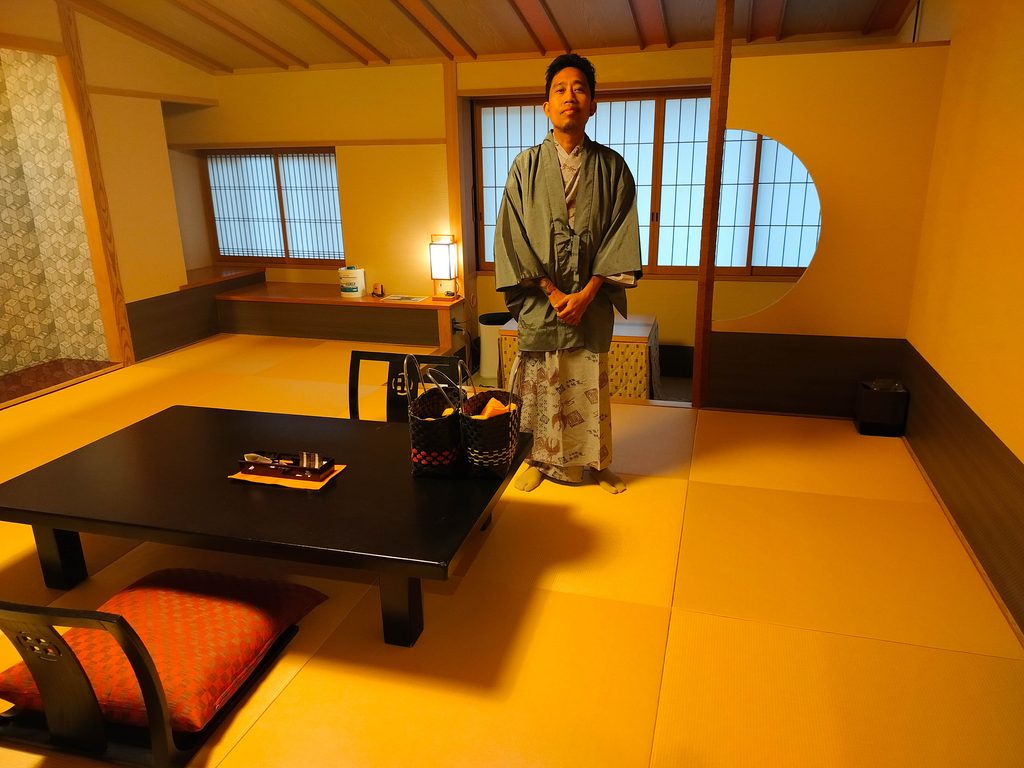

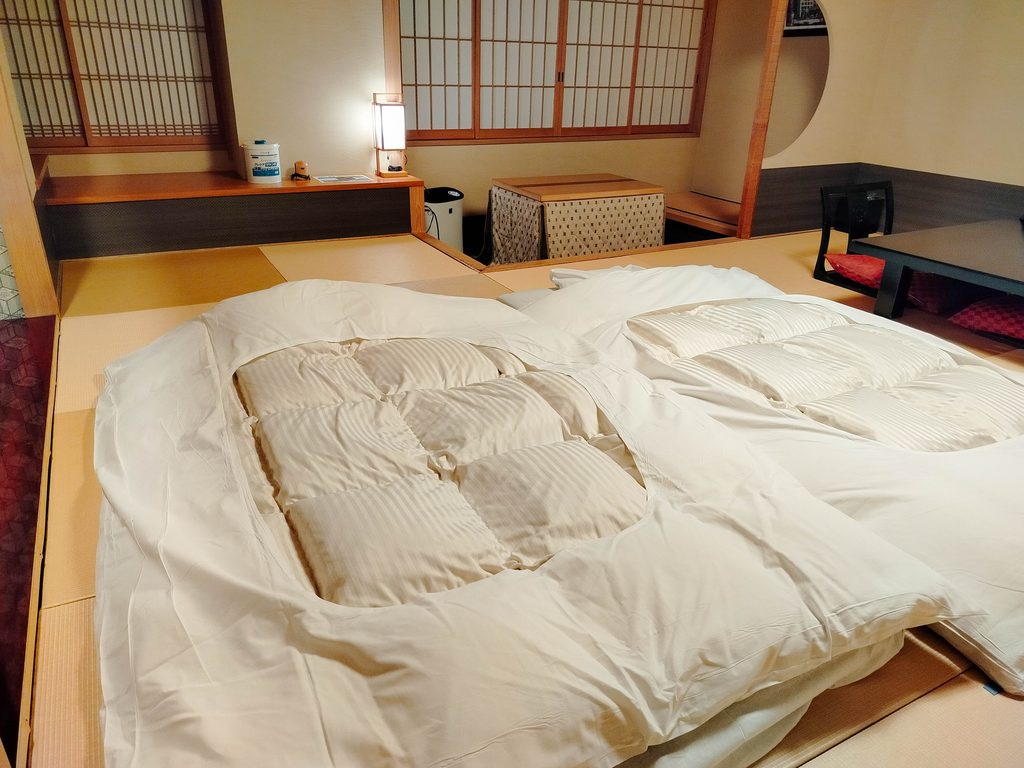
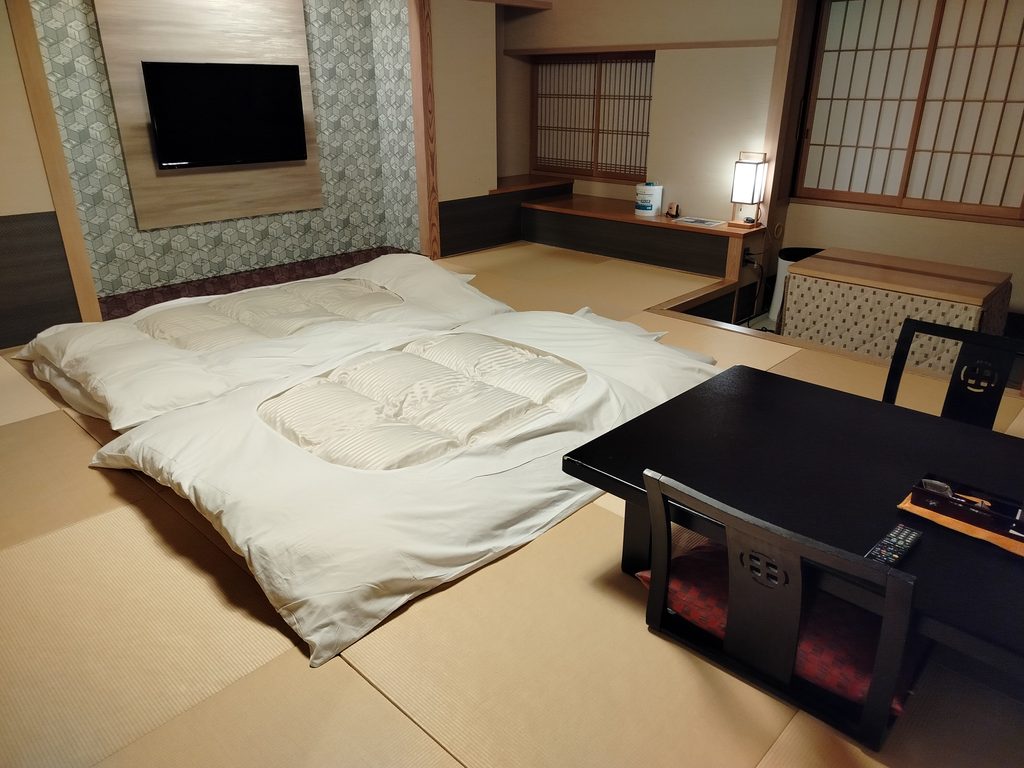
It’s not really obvious that we’re enjoying our room and kimonos so much, right? Now, as for the kimonos, we didn’t have any issues wearing them because we came prepared. LOL! I had researched and watched tutorials on how to wear one, so it was easy peasy! *wink*
Now, it’s time to explore the onsen town since it’s already 4:00 PM. The ryokan we stayed at was about 15–20 minutes away from the main town, so the staff kindly offered us a ride in their service car yay!. However, they could only drop us off and pick us up at specific locations marked on the onsen map they provided not-so-yay!. But rules are rules!
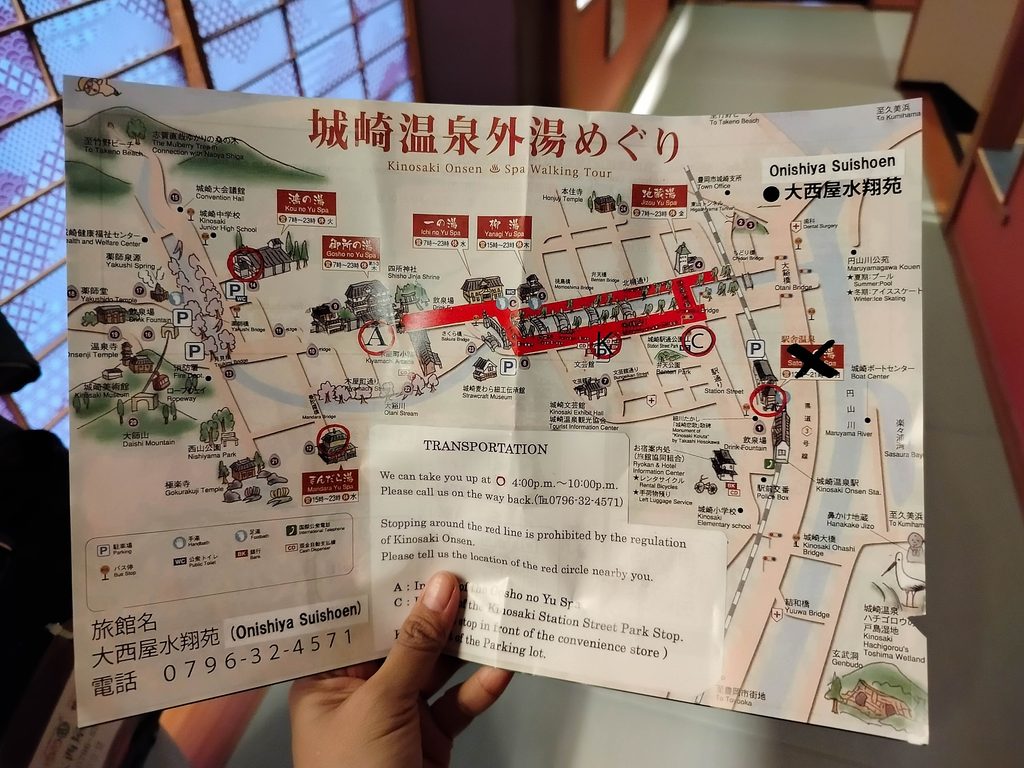
We decided to get dropped off at Kouno-Yu Onsen House so we could explore the town a little more. Turns out, we enjoyed wearing our kimonos so much, and the sight of the red lanterns made it even harder to stop taking pictures. LOL! It’s not every day you get to wear something like this, right? We also enjoyed watching other guests walking on their kimonos and getas!

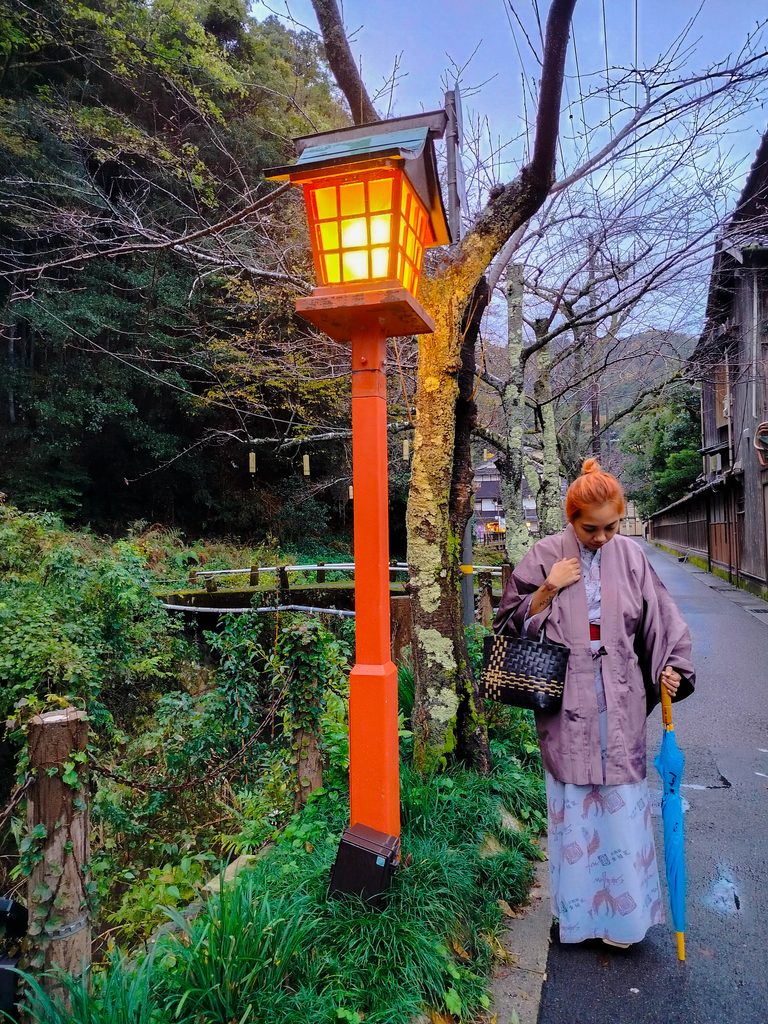
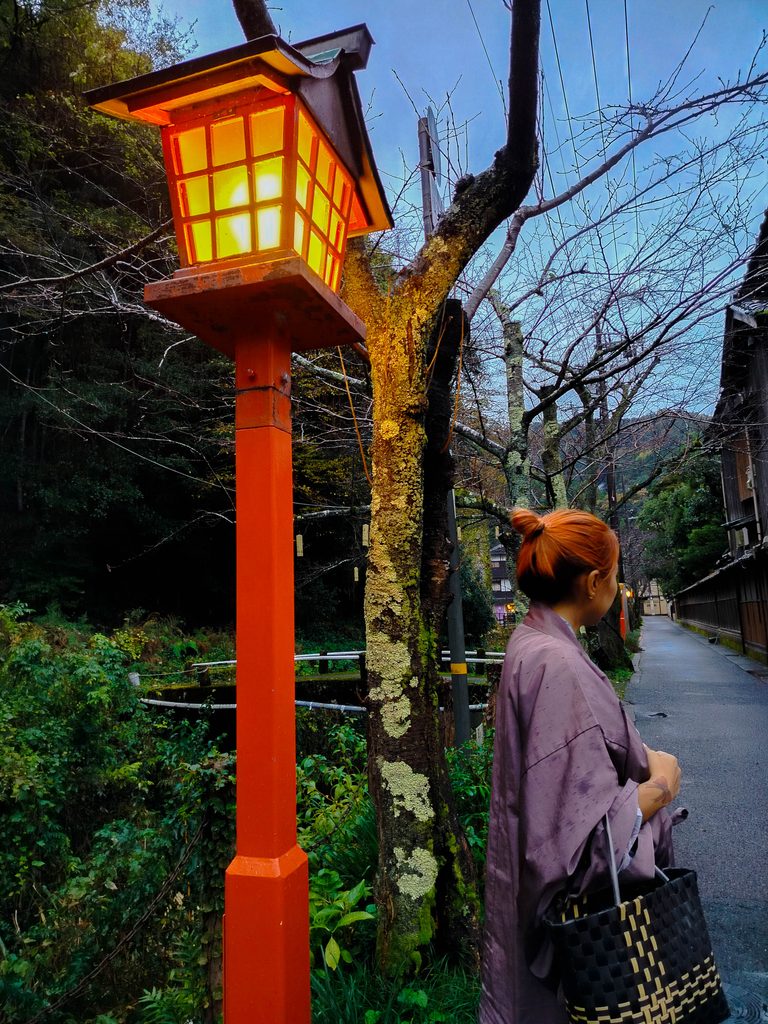
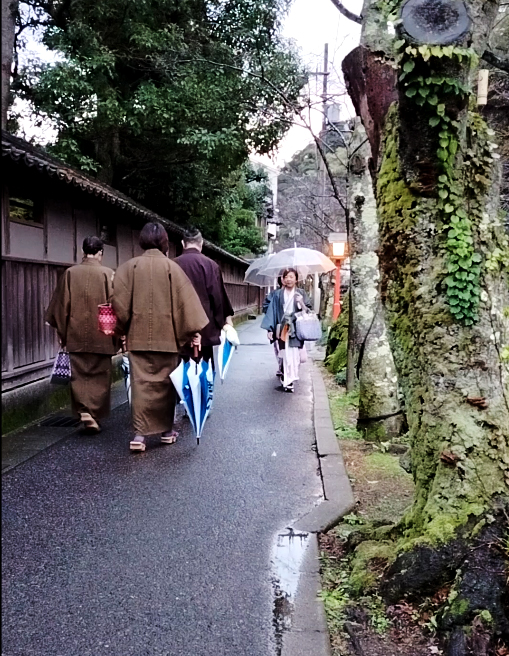
It was raining, and the weather was getting colder, so we decided it was the perfect time to start exploring the town and head to our target destination: Goshono-yu Onsen.
The Seven Public Baths in Kinosaki-Onsen
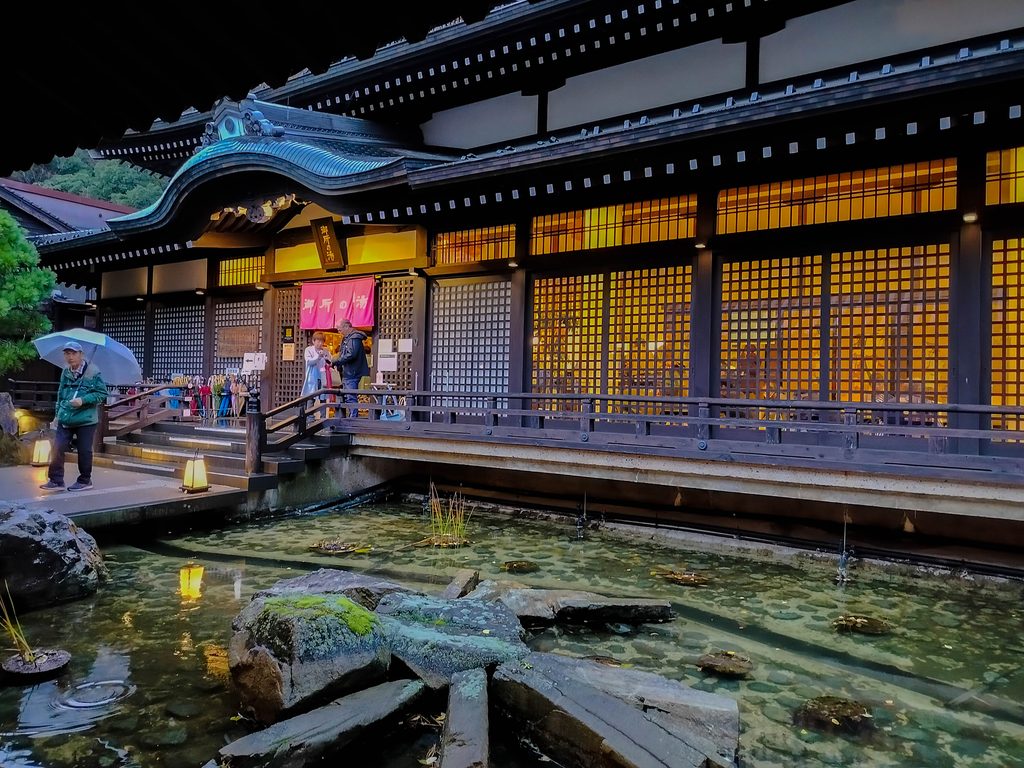
The experience revolves around seven soto-yu (public bathhouses): Satono-yu, Jizo-yu, Yanagi-yu, Ichino-yu, Goshono-yu, Mandara-yu and Kono-yu, all scattered around town, just 100 to 400 metres apart. Each bathhouse has its own charm and character. Ichino-yu, for instance, stands out with its grand Edo-style kabuki theatre-inspired facade and a cave bath carved into natural rock. Meanwhile, Goshono-yu takes inspiration from Kyoto’s Imperial Palace and features an open-air bath overlooking a waterfall.
When I was researching the different onsens, I immediately fell in love with Goshono-yu because of its open-air setting. It was exactly the kind of experience I wanted to try! But hey, I’ve actually experienced open-air hot springs back in Cebu, and that was pretty nice too!
Now, you might be wondering, why on earth do we have hot springs in Cebu? Surprise, surprise! We have an active volcano in Cebu… JUST KIDDING! The hot springs are actually powered by geothermal activity, which explains why we have them in the first place.
You can read more about my Cebu’s hot spring experience HERE.
Wait, don’t leave yet as I’m about to share my Onsen experience! *rolls eyes*
Each onsen has different operating days and hours, so you might want to check their schedules before visiting Kinosaki in case the onsen you want to visit is closed. Since I really wanted to visit Goshono-yu, here we are getting ready for our first ever public onsen!
The Onsen Experience
Ron and I were nervous and a little anxious because it was our very first experience getting naked with strangers in a public bath. But don’t fret! The women’s and men’s onsens are separate. There are mixed-gender onsens, too, but Ron didn’t want to try those because he was worried there might be some perverts around.
How to Bathe in an Onsen
- In the changing room, find an open locker, undress, and put all of your clothes inside.
- Lock the locker and put the key on your wrist.
- Get the small towel and take it with you in the bath area.
- Shower in the shower area by looking for a stool and sitting down there.
- Enter the bath and enjoy the onsen.
- Once done, use the towel to dry yourself off
- Get changed and for women, there is a hair dryer available for you to use.
Take note: No pictures allowed inside the bath house.
So yeah, no pictures allowed, but all I can say is that the onsen was soooooooo amazing! As the Japanese say, “sugoiiiiiiiii“!
Well, the locals still stare at me because I have tattoos all over my body. But the experience of getting in for the first time and seeing a bunch of naked strangers was a once-in-a-lifetime experience lolololoooool! The funny thing is, they don’t really care about anyone else, and neither did I!
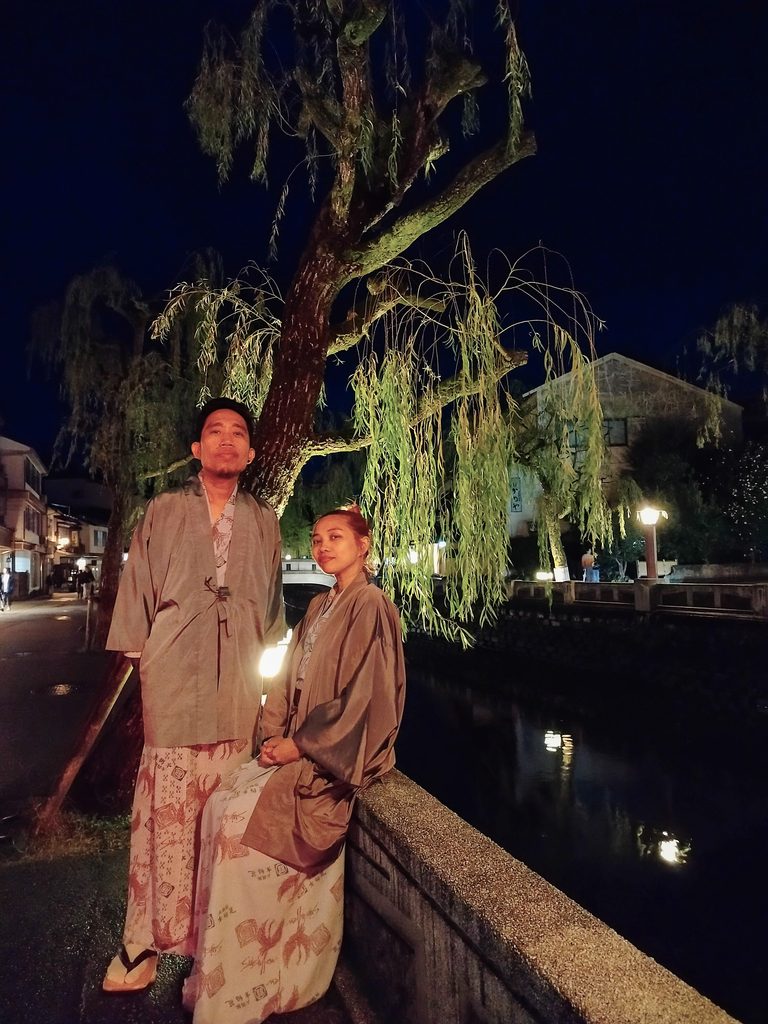
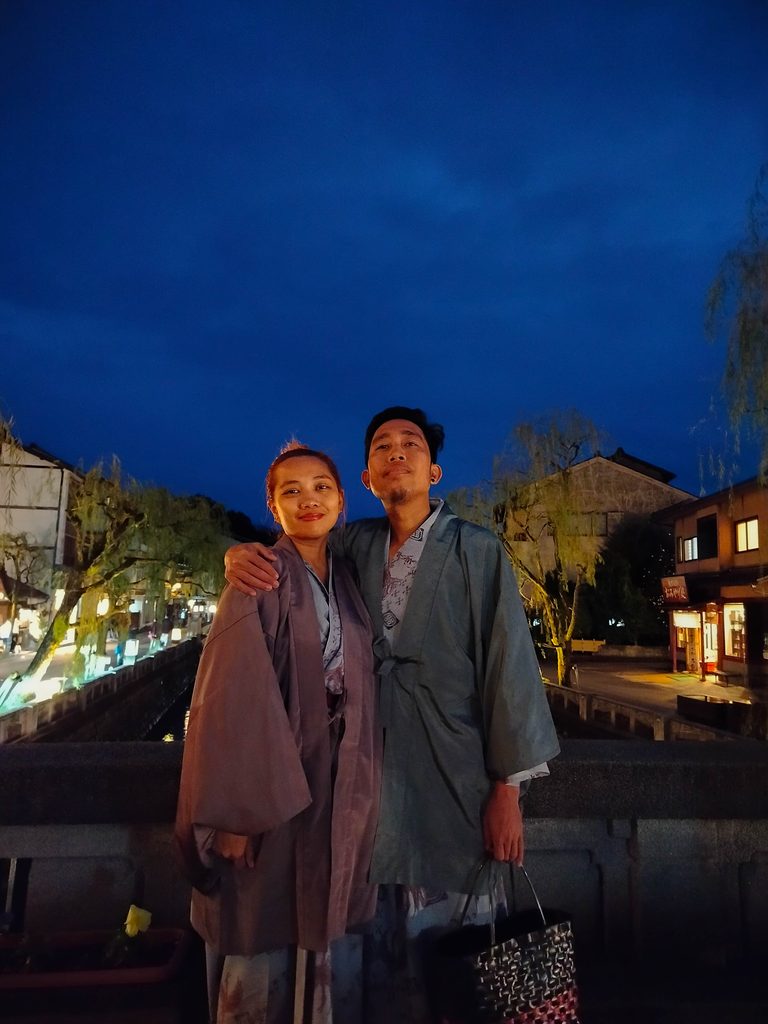
After we’re done, we continued to enjoy the town at night feeling refreshed!
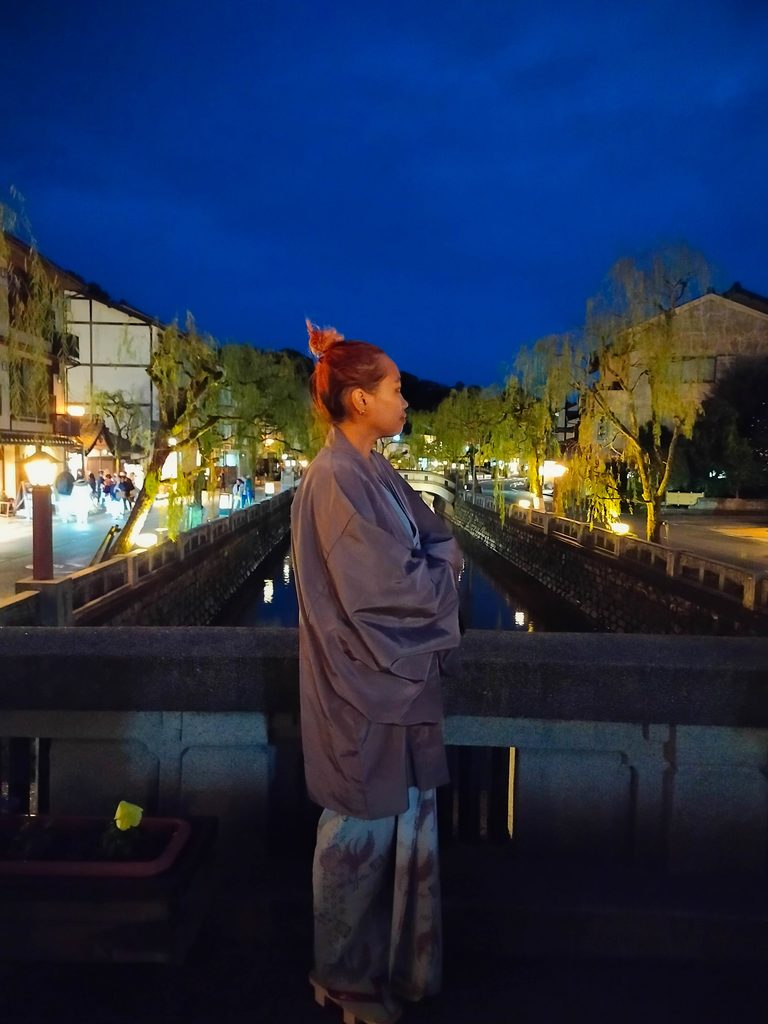
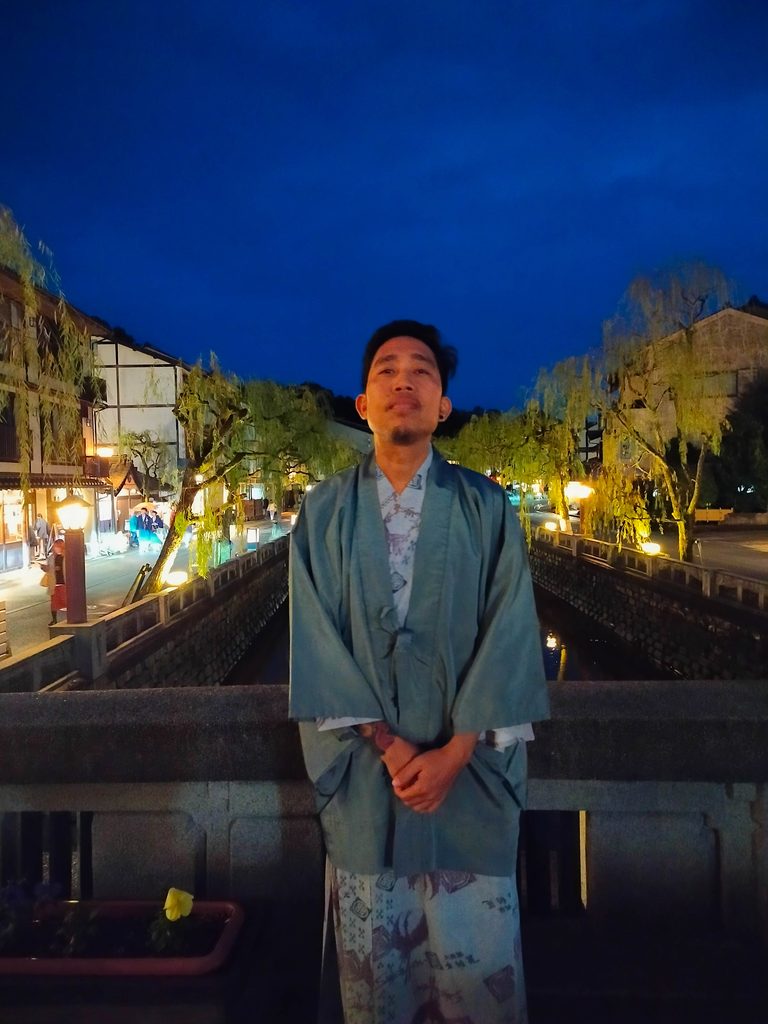
Kaiseki Japanese Dinner
Feeling famished, we were ready for our very first kaiseki dinner! Kaiseki is a traditional Japanese multi-course fine dining experience, and ours also included Matsuba crab (male snow crab) and Tajima beef! We didn’t know what to expect, but we were definitely excited!
We were guided to our own private dining room, and what made it even more amazing was that it wasn’t your typical dining area. It was so spacious that we could literally chase each other around inside!
When we checked in earlier, we were given a piece of paper to present during dinner, where we also got to choose our preferred dining time.
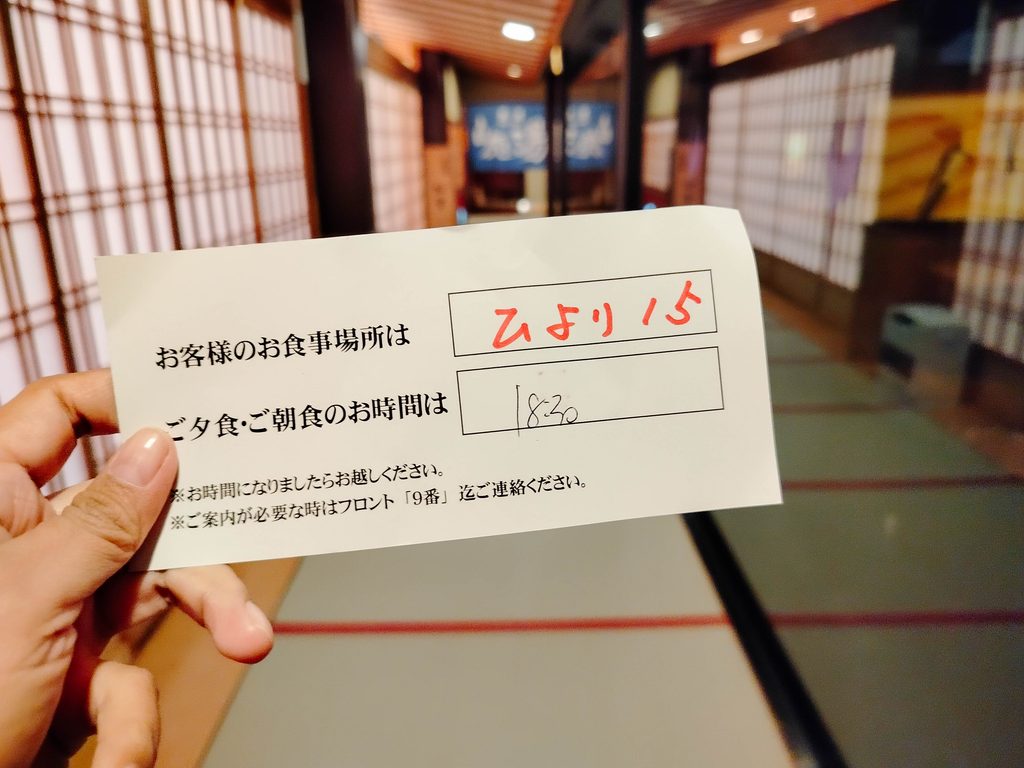
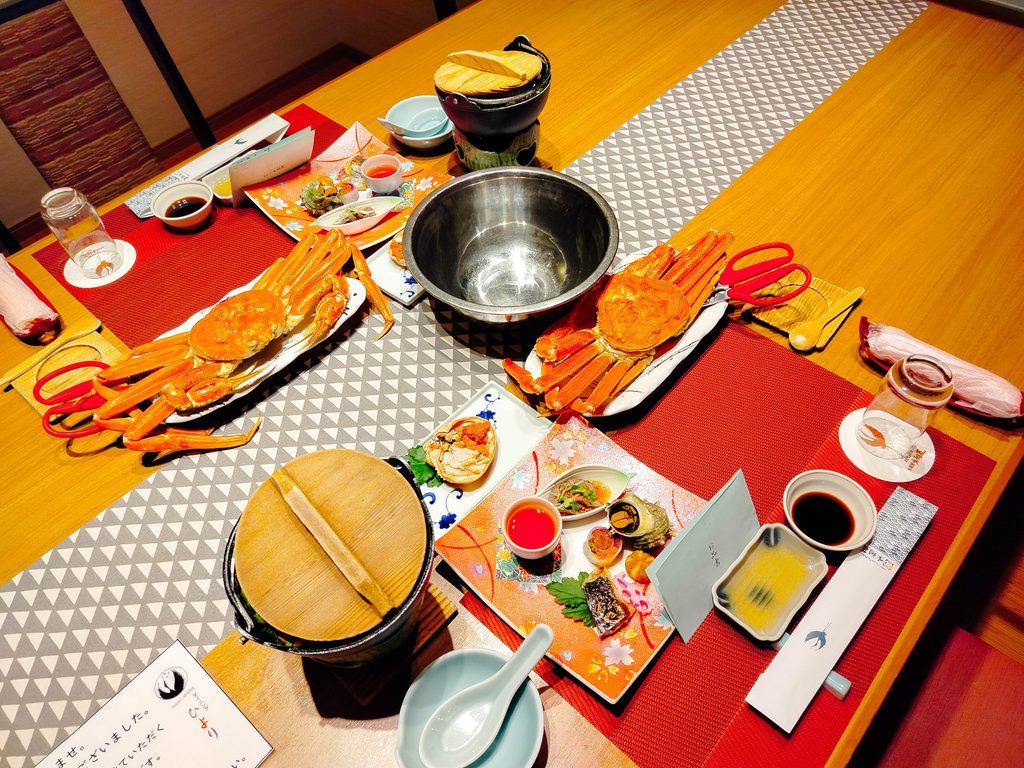
JUST LOOK AT OUR MEAL!

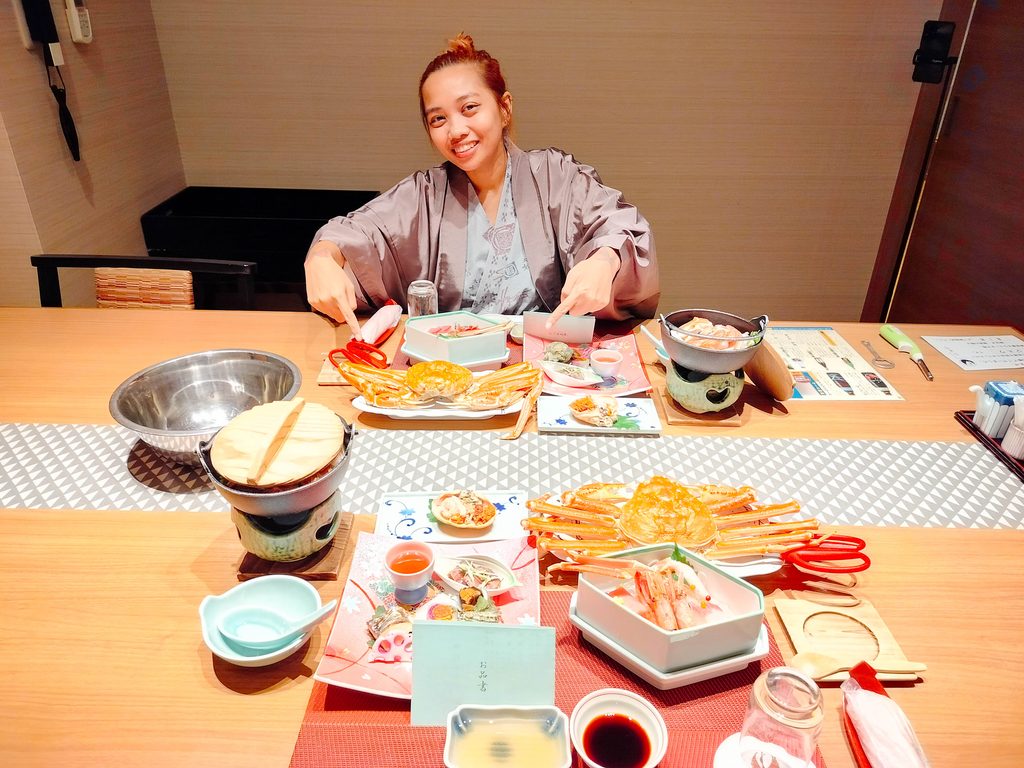
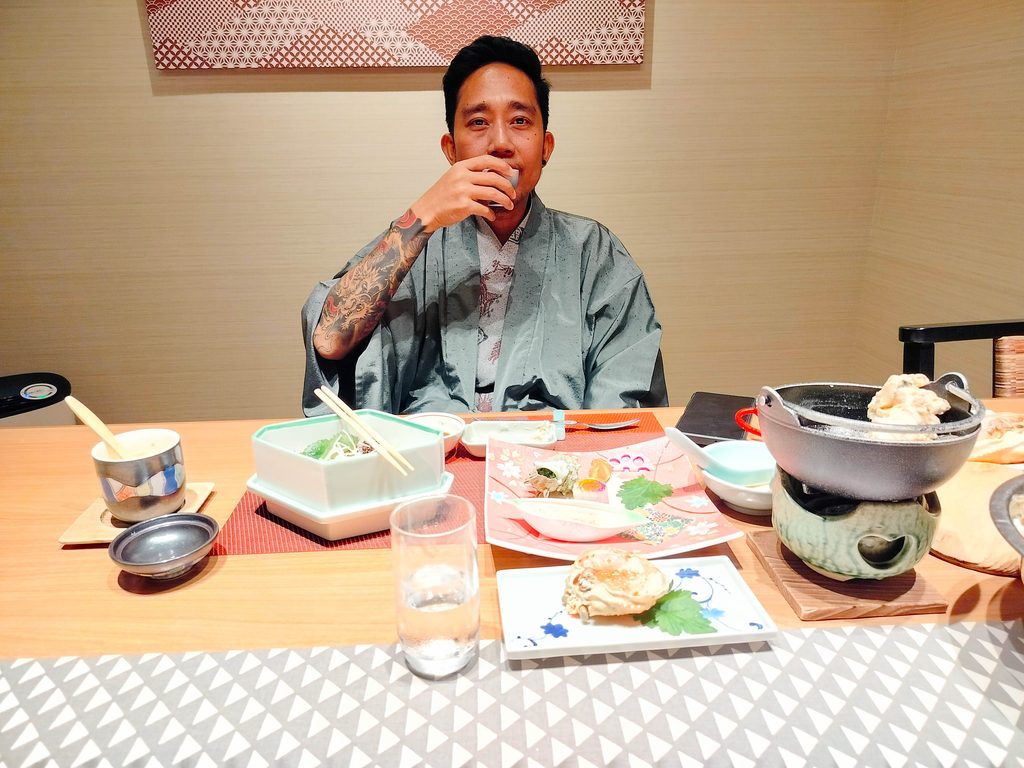
We really enjoyed the food that we had to drink sake!
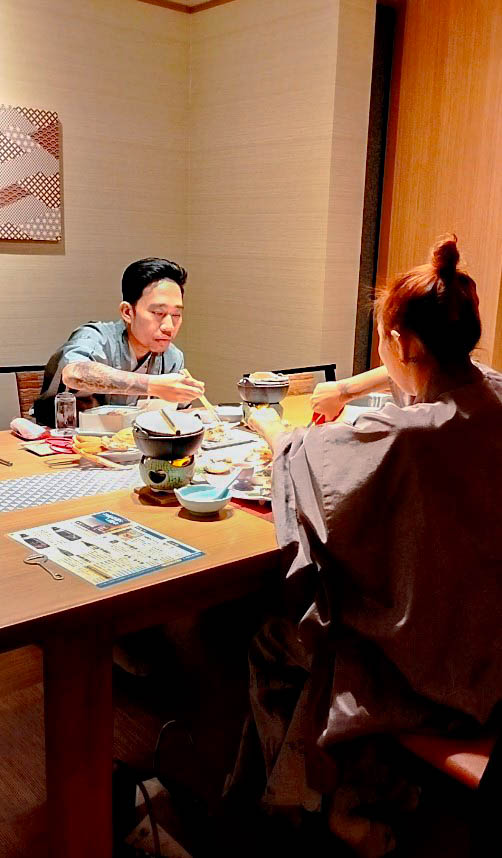
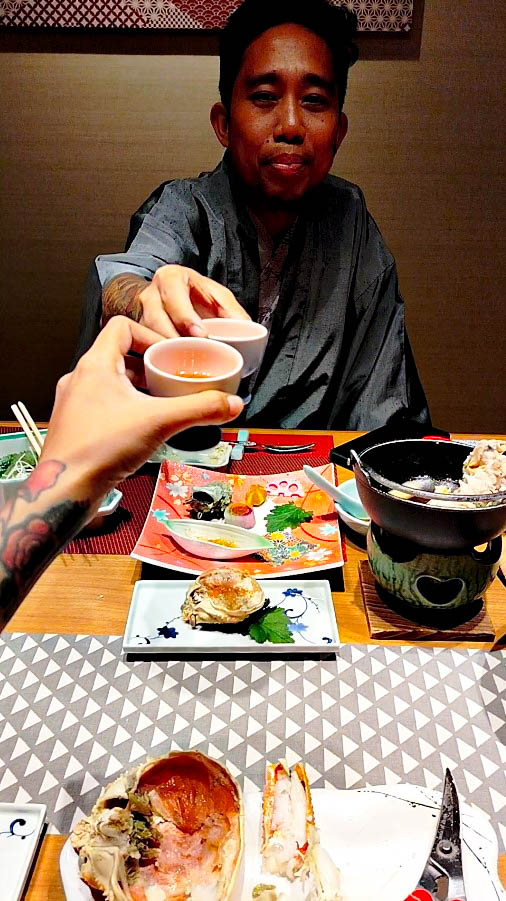
Our Ryokan’s Private Onsen
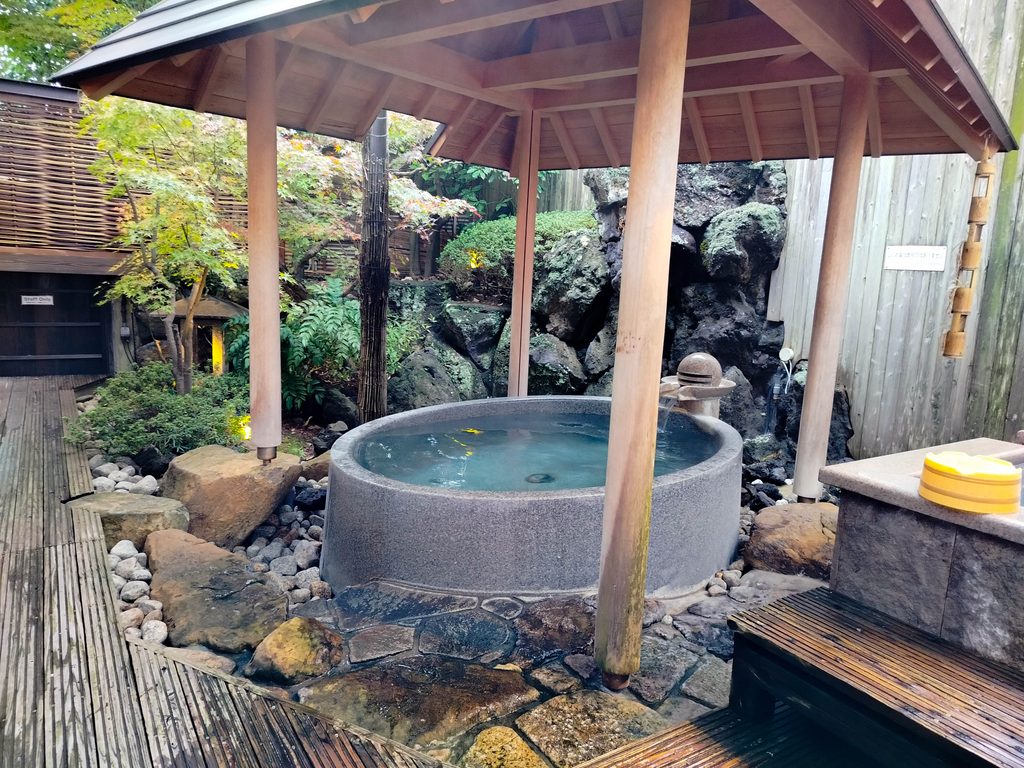
Before we called it a day, we wanted to check out the ryokan’s private onsen and give it a try. The onsen is exclusively for guests, which makes it even more awesome! Surprisingly, there were still so many guests even at night, so at least I had some company and felt less scared LOL.
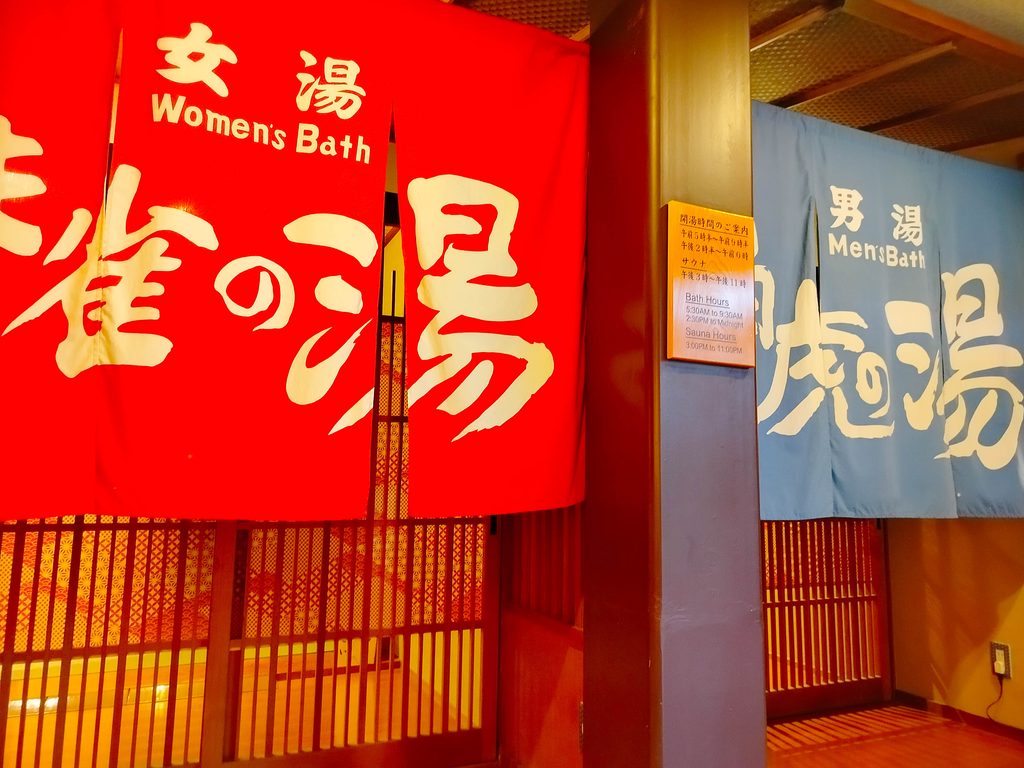
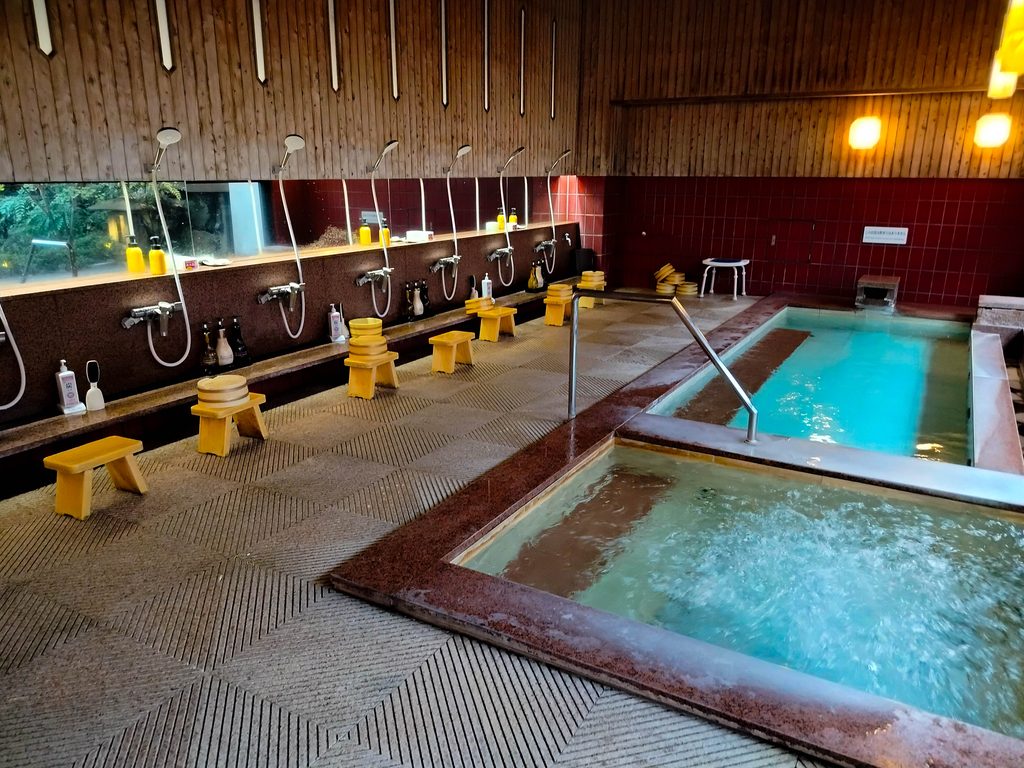
The next day, we had to wake up as early as 5:30 AM so we could enjoy the onsen on our own. And wow, there were still other guests who woke up early to use the onsen too! LOL. After few minutes, the other guests left so I was able to take some photos of the women’s onsen and was able to video myself enjoying the outdoor hot spring!
Traditional Breakfast in Japan
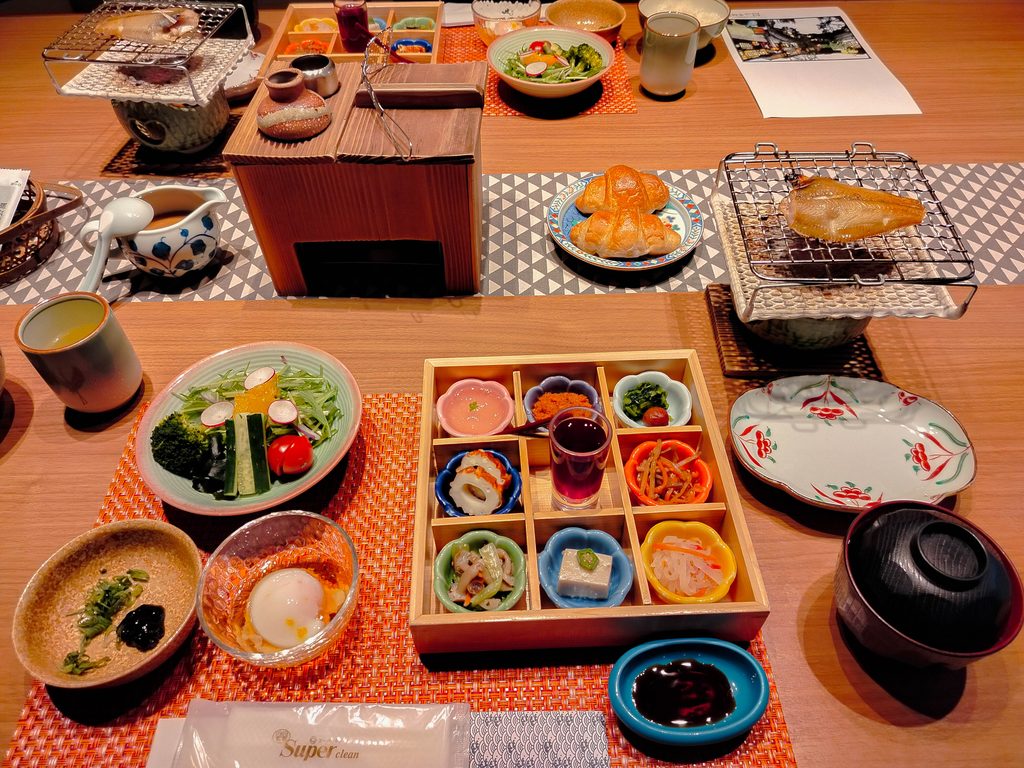
Since we will be checking out at 10AM then I guess we don’t have a choice but eat at 7AM for breakfast.
Before checking out, we took some more photos because why not?
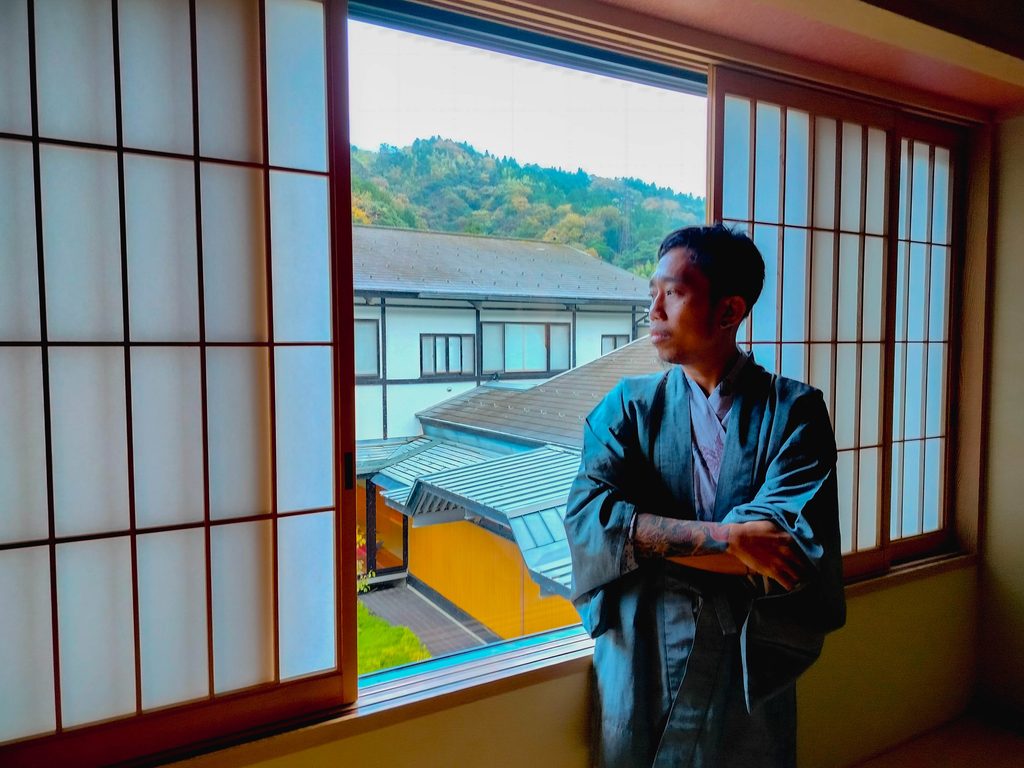
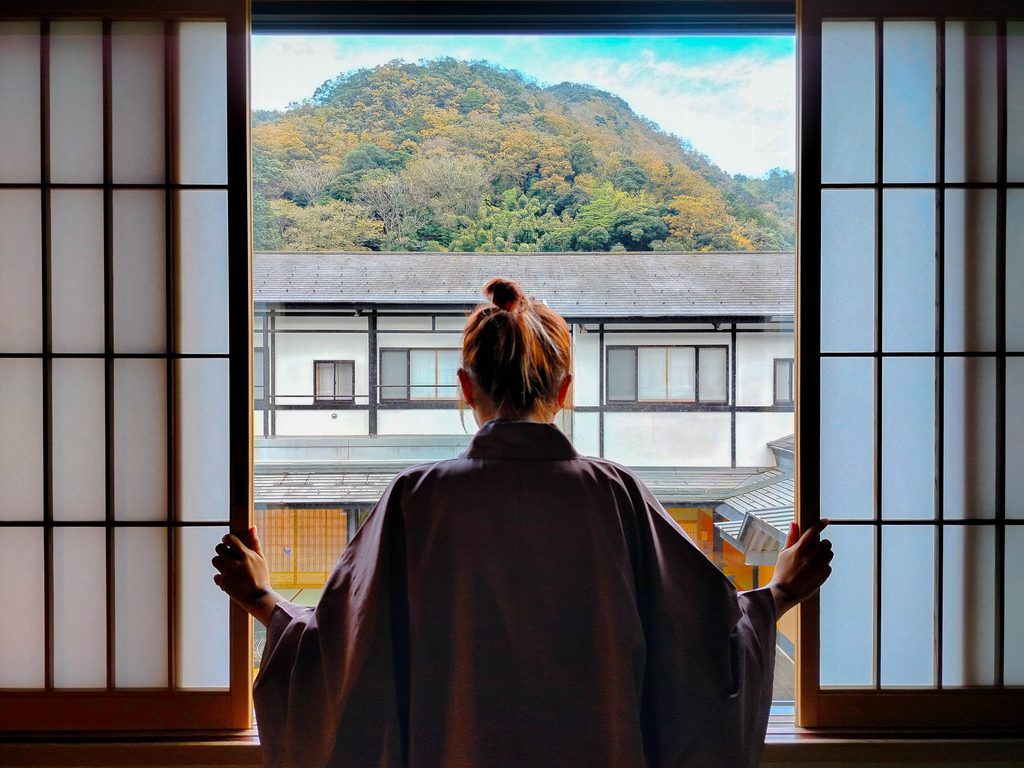
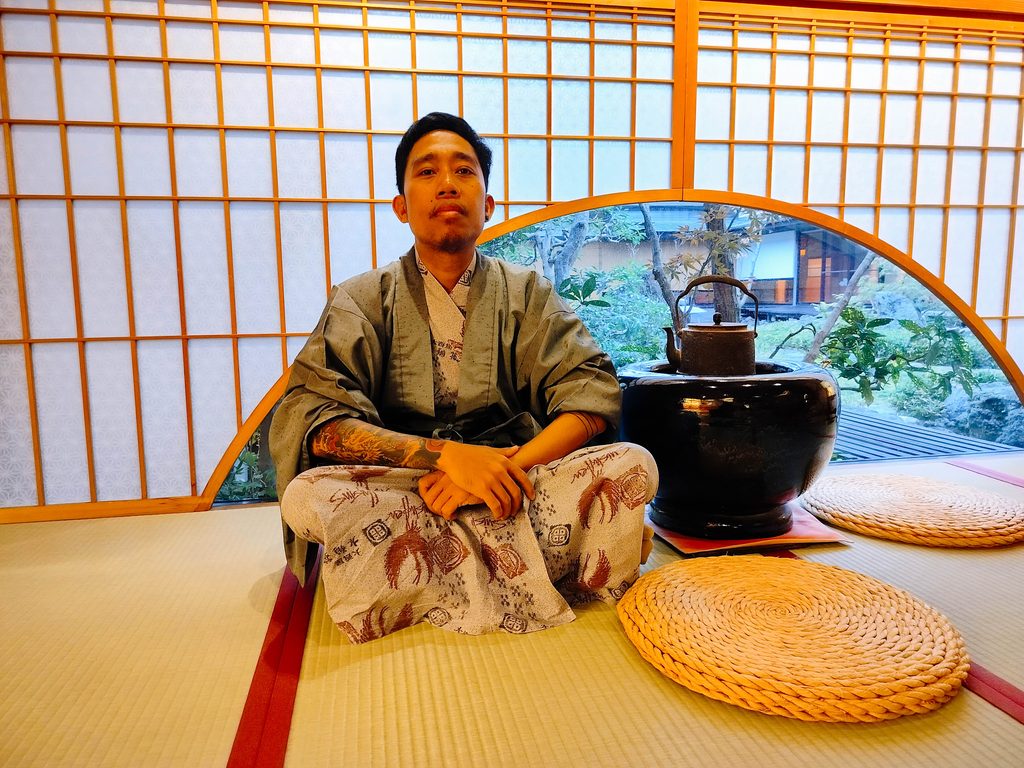
It pains our hearts to leave after just one night. Everything was so incredible, and we truly enjoyed every bit of it. From the food and the onsens to the town itself, I’d say this was one of our best trips in Japan!
Now it’s time to say goodbye and check out of our ryokan. *teary-eyed*
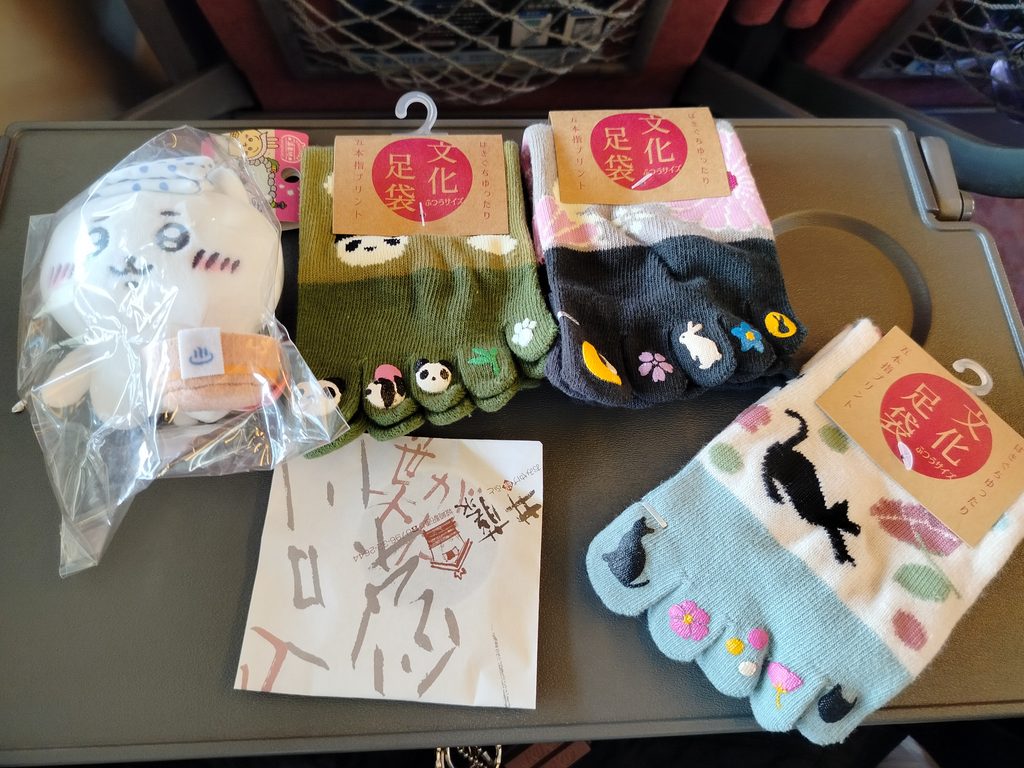
And soooooooooo… we’re back to our regular selves LOL! So before leaving for Osaka, we also checked out their shopping street to buy some souvenirs and to try the Tajiyama Croquet.
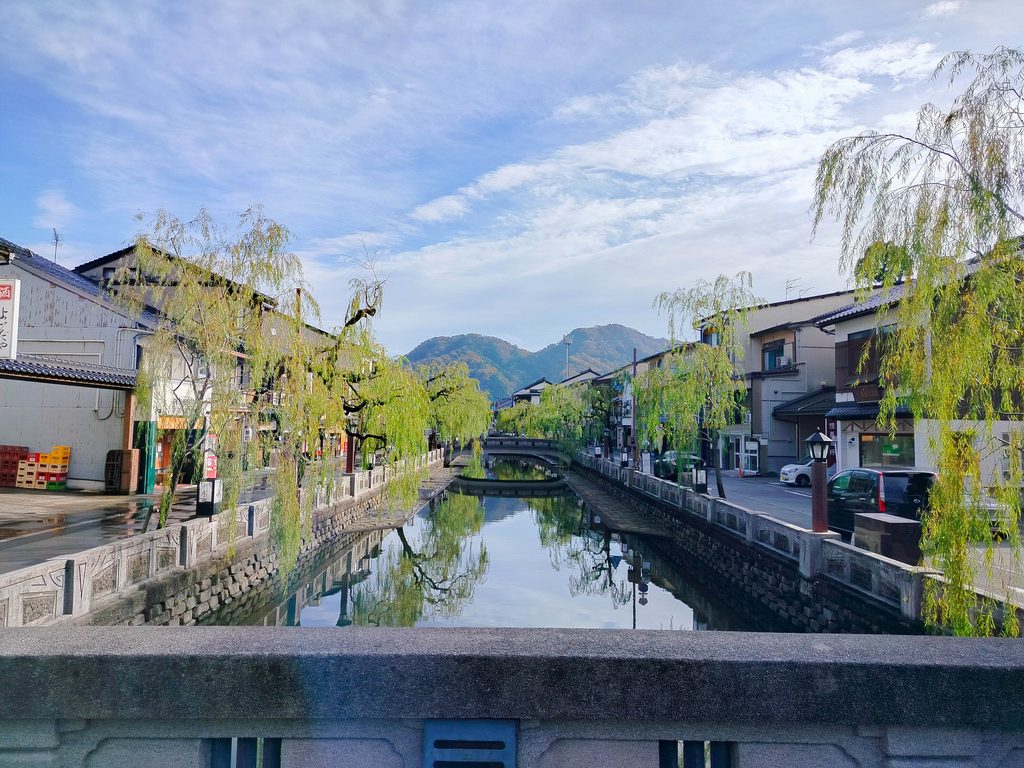


Until next time Kinosaki-Onsen!
Read our Complete Japan Autumn Trip HERE.